SMART PLASTICS 2026 3 DIRECTIONS FOR TECHNICAL INJECTION MOLDING: RECYCLING, INDUSTRY 4.0, AND MEDICAL
Smart Plastics 2026: three trajectories we are actively bringing into our operations, relevant for those who design and work daily with injection molding and polymer components.
♻️ RECYCLING: repeatability is the real challenge
With recycled and bio-based materials, the question is no longer “if they can be used in production”, but “how to ensure process consistency.”
This requires active process control— not just material selection —to prevent batch-to-batch variability affecting tolerances and surface quality.
📊 SMART MANUFACTURING: Industry 4.0 in molding is now mature
What makes the difference today is the ability to:
• integrate sensors for pressure, temperature, and cycle time
• turn data into prediction and not just monitoring
🏥 MEDICAL: polymers are engineering materials
Certified biocompatibility, repeated sterilization cycles, dimensional stability under cyclic loads:
medical devices now demand structural performance from polymers that was once exclusive to metals.
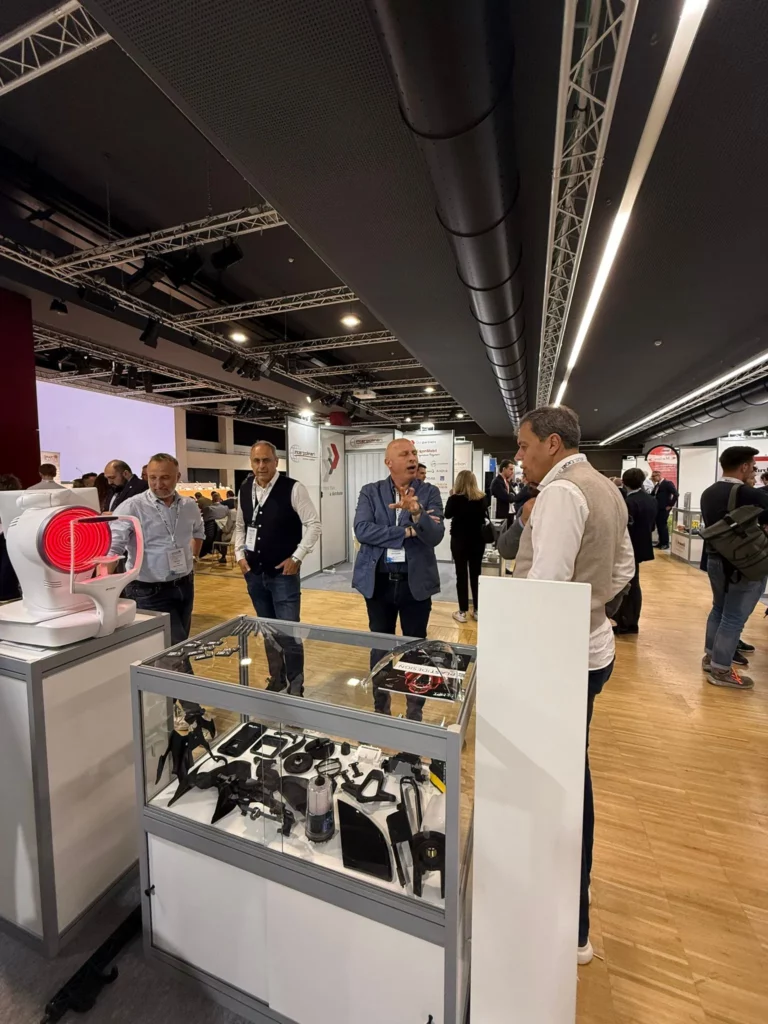
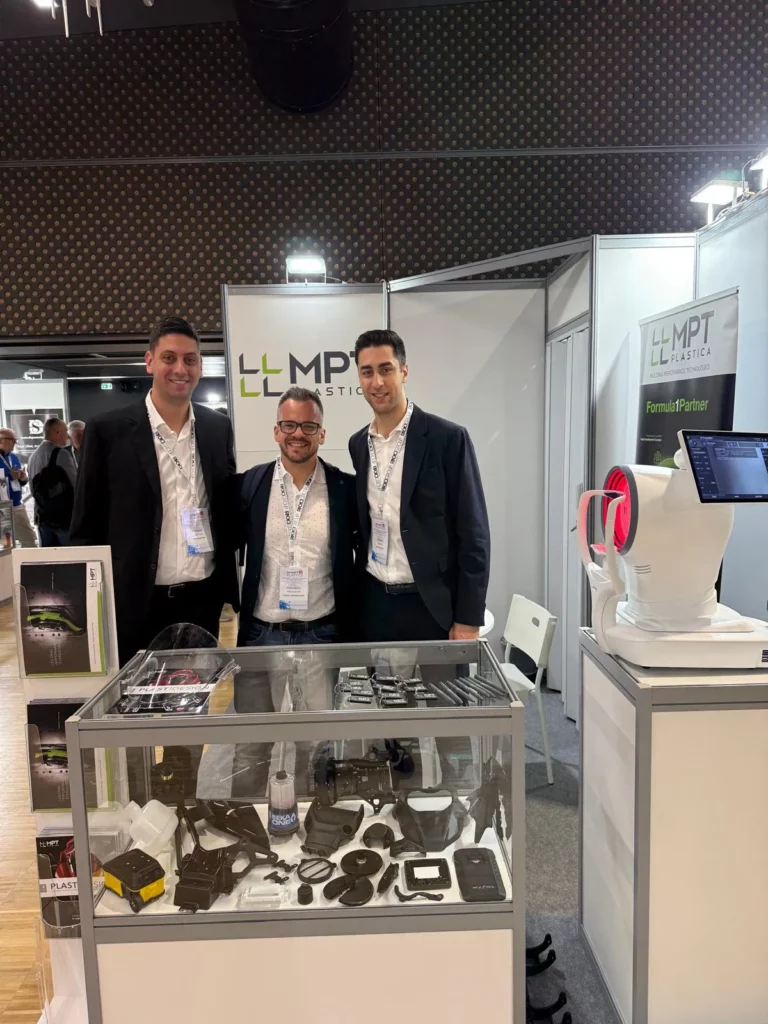
This topic is particularly relevant to us: during Smart Plastics 2026, we presented a medical device for which we engineered the housing and external components, fully complying with both design constraints and performance requirements—consistent with our integrated approach from co-design to industrialization.
Three different domains, one shared insight
In technical molding, competitive advantage is shifting from “what” (material, press, technology) to “how”: process control, constraint integration, and the ability to balance performance and sustainability across the entire value chain.
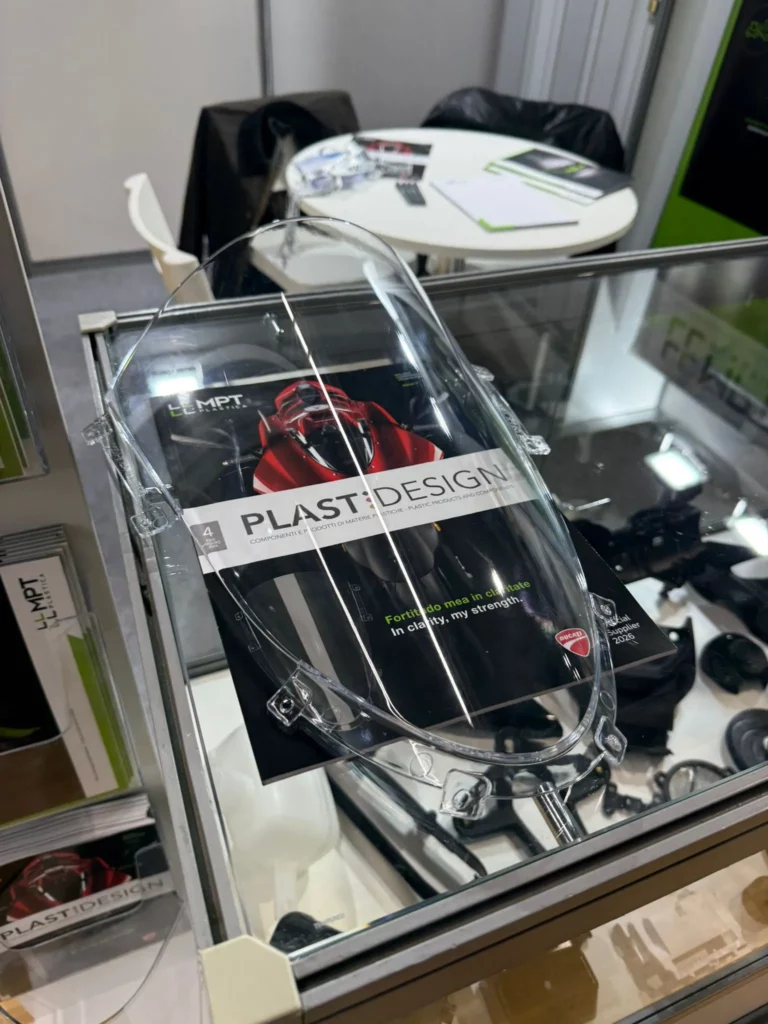
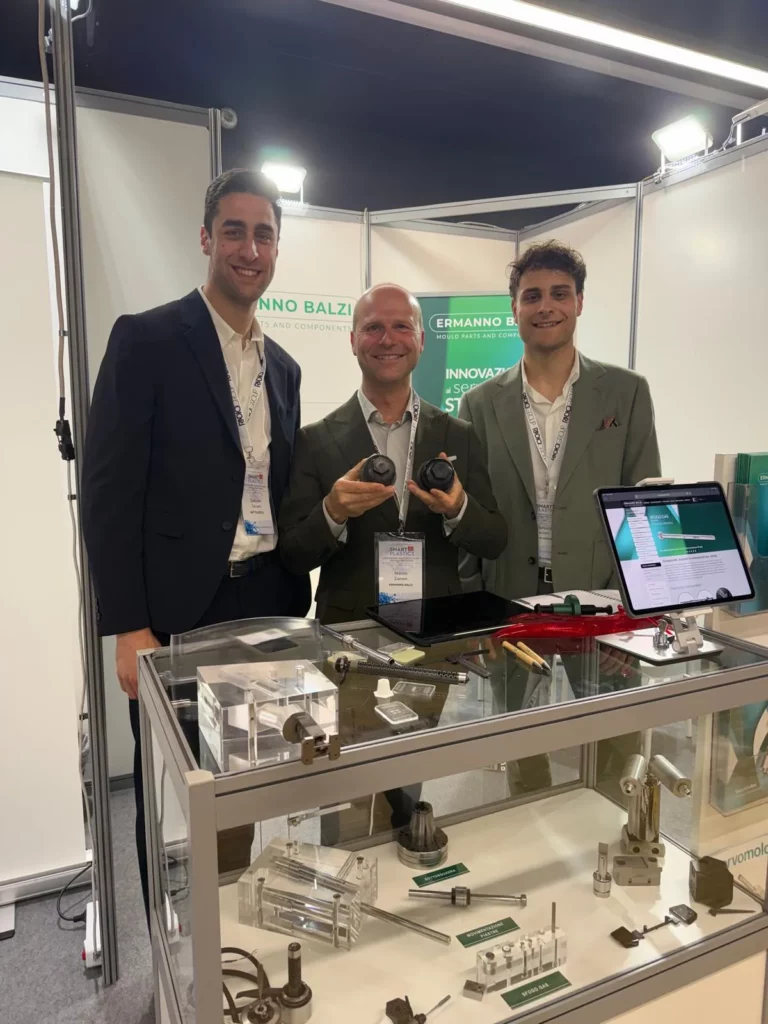
Thanks to Guglielmo Calcagno, PlastDesign, the ErisEventi team and everyone who stopped by.
👉 Which of these three areas are you investing in the most? Let’s discuss in the comments.
#SmartPlastics2026 #InjectionMolding #Industry40